
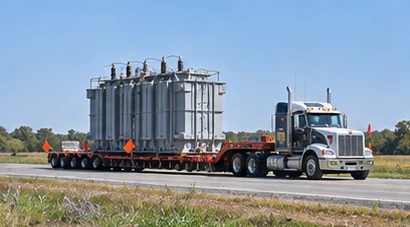
Separate Operations by Equipment and Cargo
Distinguish tanker, hazardous materials, heavy haul and ordinary service fleets. Identify stated operations, customer contracts, routes, cargo handling and loading responsibilities. Reconcile vehicle lists and mileage with actual dispatch history. Review owner-operator and subcontractor use with counsel and the broker.
Understand Coverage Interfaces
Separate auto liability, cargo, physical damage, workers’ compensation and pollution exposures. Assess contractual evidence and financial responsibility requirements with specialists. A program handling one liability layer may leave material exposures elsewhere.
Evaluate Large Losses
Document cause, claims response, evidence retention, settlement and corrective actions. Review experience by type of operation and claim valuation. Telematics or training can help when management has procedures to act on findings. Model a high-severity crash and multiple loss events in one year.
Ask Where Shared Risk Begins
Determine how the participant’s own losses, peer losses and reinsurance attach. Estimate collateral, claims funding and exit obligations. Consider counterparty quality and back-up plans for switching coverage without leaving a gap in regulatory or contract evidence.

Measure What the Fleet Actually Hauls and Where
A fleet audit should connect vehicle and trailer schedules, actual miles, dispatch records, driver qualification files and contract obligations for each operation. A tanker carrier’s exposure can change with commodity, loading responsibility and driving radius. A heavy-haul carrier’s equipment and route profile can change with loads and permits. A multi-entity fleet may have owned tractors, leased trailers, independent contractors and third-party hauling under different agreements. Separate these classifications before relying on fleet averages. Track miles and load counts by segment, unit type, geography and period. Add severity factors such as commodity, density of travel and the work involved at delivery.
Review each loss for the equipment and cargo actually in use and who controlled the operation. Match telematics to the incident where appropriate, and record whether the loss count includes claims handled by a customer or broker’s insurer. Capture open, reopened and litigated claims and maintain multiple valuation dates. Review how settled cases moved from their initial reserves to final payments. Normalize past experience for a recent expansion, exit from a segment or change in contract terms before using it to price casualty below an excess layer.
Verify Regulatory Evidence and the Insurance Contract Separately
FMCSA maintains filing requirements that depend on the carrier’s authority and operation. Applicable financial responsibility standards under 49 CFR Part 387 depend on facts such as service and commodity. Have transportation counsel or a qualified specialist identify the actual scope, filing and permitted proof for the operation, including state requirements where relevant. A commercial program should preserve the mechanisms for required filings and any contractually required evidence when the fleet adds an entity, changes authority, renews or switches providers.
Where an MCS-90 endorsement is required, review the form and applicable rules with the responsible issuing insurer and counsel. It serves a public financial responsibility function and has defined terms, including a provision concerning reimbursement for certain payments the insurer would not otherwise owe under the policy. Its presence does not establish the extent of coverage for a particular casualty or cargo loss. Compare the endorsement, actual policy, filings and the captive treaty individually. Check whether a contract demands pollution, cargo, broader automobile coverage, or different limits beyond regulatory requirements.
| Cost arising from one event | Contract or policy to inspect |
|---|---|
| Third-party injury and vehicle or property damage | Commercial auto wording, insured status, applicable endorsement and excess terms |
| Cargo damage, spoilage or rejection | Cargo policy and carriage, handling or rejection terms |
| Spilled material and emergency response | Auto and pollution wording, definitions, exclusions, notice and cleanup authority |
| Damage to leased tractor or trailer | Leasing agreement and physical damage or trailer interests |
Compare Frequency and Severe Claims Under Both Proposals
A seemingly manageable annual average can conceal a low-frequency severe judgment or a series of moderate events. Set a worksheet that caps per-event modeled retention as provided by the actual terms, shows whether loss expense is inside or outside the cap, and includes any calendar or policy-year aggregate. Ask the broker and claims administrator how they group property damage and multiple injuries from the same event, how salvage and recoveries are credited and when payment is due. Compare peer-loss, member and reinsurance impacts in a captive against pure reimbursement obligations in a deductible program. Obtain a separate view of annual reinsurance limits, reinstatements and exclusions for specialty operations.
For illustration, assume two insured auto liability events ultimately cost $60,000 and $480,000. A $100,000 each-occurrence retention would leave $160,000 in modeled retained losses and a $250,000 retention would leave $310,000. The comparison assumes both claims are eligible, with no annual aggregate effect, shared loss adjustment, expense or recovery. If the larger retention saves $90,000 in premium, the larger-retention choice would be $60,000 more costly on these simplified figures before other expenses and collateral effects. Run a low-loss case and a severe-year case using the same assumptions. Then add terms that make the comparison different in reality.
Use Claims Governance to Protect the Retained Dollars
Define who contacts each insurer, executes counsel-approved evidence practices and coordinates cargo, environmental and roadside response. Determine who controls defense and settlements, especially when a proposed settlement crosses retained and transferred layers. Evaluate how reporting time, reserve changes and invoice lag affect cash projections. Controls with dated records and follow-up generally give decision makers better evidence than a telematics feature list. Review which events supervisors receive, how they investigate data quality and whether corrective work was done. Driver oversight should consider privacy, employment and regulatory obligations.
Decide How the Fleet Would Exit if Operations Change
A fleet that loses a large customer, adds hazardous cargo or sells part of its book may face different claims, revenue and bank support for the same past policy years. Estimate letter-of-credit and cash collateral tied to unpaid losses and adverse adjustments under the actual security agreement. Ask how quickly release terms can be evaluated, who can continue to handle legacy claims and how mandatory filings and customer requirements will be maintained during a transition. The executive decision should identify which continuing operations and retentions the firm can finance, the dollar threshold for reconsideration and what conditions would cause it to defer a change or maintain conventional risk transfer.
References
Sources reviewed November 27, 2026.
Educational information for commercial insurance discussions. Review actual policies, agreements and applicable requirements with qualified insurance, legal, tax and actuarial advisers.