
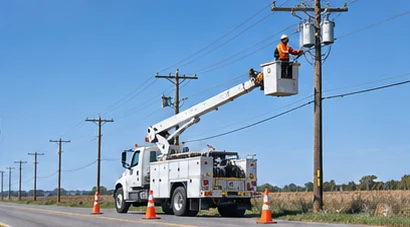
Map Operations by Hazard
Separate distribution, generation, civil, oilfield service and maintenance activities. Record voltage or operating environments, work performed, third-party equipment and work locations. Distinguish stable operations from storm, outage or emergency response. Periods of emergency work can change driver hours, crew mix and equipment use.
Identify Multi-Line Scenarios
A field event can implicate employee injury, vehicles, customer property and pollution. Review how policy definitions and exclusions apply across lines and under customer indemnity and insurance provisions. A combined casualty program may still leave separate specialty placements and notification requirements.
Demonstrate Control and Data Quality
Record job planning, qualification, safe operating procedures, incident handling and corrective actions. Track injury and vehicle loss separately by project and valuation date. Verify who can review claims and what reporting is available on fronted and retained layers.
Protect Working Capital
Model the effect of a serious event during a period of expansion or emergency mobilization. Compare retention, bank commitments, capital and reinsurance terms. Clarify insurer, contract and line-authority requirements before changing coverage.
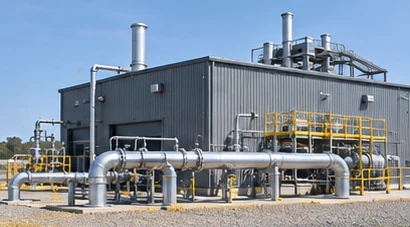
Separate Routine Work From Mobilization and Surge
An electrical contractor may spend most of the year on planned distribution maintenance and then deploy crews, rented equipment and vehicles for storm work across several states. An oilfield service firm may add well-site hauling or environmental response when its usual customer asks for an expanded scope. A useful model treats each deployment as an exposure change, with a roster of employees and subcontractors, payroll by jurisdiction, vehicle ownership and use, and the type of work actually performed. Compare the policy and contractual treatment of the planned operations with the emergency assignment before including the surge in a retained program.
Group experience is more credible when the exposure data explains why losses changed. Track hours worked and mileage by work type and activity, customer site, shift and deployment. Record each retained and transferred claim separately. Flag return-to-work limitations when jobs are remote, and leave space for late reporting or changes in reserves. An actuary who sees the denominator can distinguish a change in work mix from a change in incident rate. Finance can then evaluate ordinary staffing separately from the premium and collateral implications of the expanded scope.
Read the Insurance Package Against the Field Agreements
For electrical work, OSHA maintains general-industry and construction provisions that address different work. Federal 29 CFR 1910.269 covers specified electric power generation, transmission and distribution activities within its scope, and construction of electric transmission and distribution lines and equipment is addressed in Part 1926 Subpart V. Confirm the governing standard and any applicable state-plan requirements for the actual work. For an insurer or captive evaluator, the useful evidence is how the contractor determines what rules apply, discloses job duties and confirms that qualifications and oversight match the assignments.
Examine master service agreements, task orders and work authorizations together. Classify insurance duties by casualty, pollution, property in the contractor’s care, hired or rented equipment, and professional services. Utility outage costs and damage to a customer’s equipment can lead to competing interpretations of the repair scope, negligence, contractual damages and liability limitations. Have counsel map those obligations before the broker matches them to endorsements and exclusions. A captive funding agreement does not enlarge the carrier’s policy grant, so use the coverage document to benchmark which losses can reach reimbursement.
| Work profile | Underwriting fact to isolate | Finance consequence to measure |
|---|---|---|
| Planned distribution | Crew qualifications, comparable hours and scope | Normal claim frequency and loss-funding cadence |
| Emergency deployment | Temporary equipment, extended geography and staffing | Mobilization cash and claims collateral overlap |
| Work near essential assets | Customer repair, outage and delay responsibilities | Severity, exclusions and commercial excess availability |
Analyze an Outage as a Cluster of Claims
Consider a hypothetical field incident where a rented truck damages customer infrastructure, an employee is injured and the customer claims the resulting outage delayed its own operations. Workers’ compensation, motor liability, damage to rented equipment and liability for customer losses may involve different policies and facts. A specialist policy or commercial excess placement could be relevant as well. Allocate bodily injury, physical repair, defense, investigation and delay by asserted obligation. Check if the issuing carrier, captive and excess insurers define a single event consistently before modeling deductible or reinsurance erosion.
Illustratively, assume one insured auto occurrence costs $340,000, one workers’ compensation occurrence has a modeled ultimate of $210,000 and a rented asset repair requires $90,000 of near-term cash. If the applicable per-line retentions are $100,000 auto and $150,000 workers’ compensation, the first two generate up to $250,000 of modeled retained eligible losses before expenses and any recoveries. If repair is uninsured under the assumed contracts, add $90,000 to the corporate cash stress view outside the captive. Treat the resulting $340,000 as a scenario rather than a coverage estimate. Account for potentially uneven timing across the policies.
Test the Cash Demands of Storm Work
Before a major mobilization, compare payroll and fuel funding with billing dates, equipment deposits and insurer reimbursements. Separate billed amounts from disputed invoices and account for owner acceptance requirements that can delay collections. A captive participant with a letter of credit may have reduced borrowing availability at the moment it needs to pay a larger remote crew. A revised exposure estimate can prompt the carrier or front to reevaluate security on its own timetable. Model a period when increased operations, slower receivables and new risk funding coincide instead of treating them as three independent scenarios.
For example, a contractor budgeting an additional $900,000 for mobilization and a potential $350,000 renewal collateral increase should compare that $1.25 million against bank availability after outstanding letters of credit and any applicable lending restrictions. If a simultaneous catastrophe claim requires immediate emergency expenses, show who can approve those expenses and what portion might eventually be reimbursed. A conservative cash view can exclude insurance recoveries until the responsible party and expected timing have been established. Keep the projected ultimate loss cost separate from peak cash committed before funds return.
Decide Which Layers Belong in the Review
Give executives three different choices to evaluate: retain a predictable first layer of employee injury or fleet costs, transfer severe infrastructure and outage exposure under separate placements where available, or keep the current transfer structure while improving data and contract controls before a future renewal. Review how peer losses or pooled risk could affect the first choice. Ask whether reinsurance responds to catastrophe or accumulation involving several crews, limits or insured entities, and who authorizes extraordinary claims spending. Identify which changes in work or guardrails require an underwriting update. A CFO and operations leader should be able to walk from an actual task order to the exposure entry, coverage review, financing model and renewal decision without changing assumptions halfway through.
References
Sources reviewed November 27, 2026.
Educational information for commercial insurance discussions. Review actual policies, agreements and applicable requirements with qualified insurance, legal, tax and actuarial advisers.