
Build a Credible Schedule of Values
Obtain current replacement values, equipment details, locations, maintenance history and lead-time assumptions. Estimate business interruption and extra expense with appropriate specialists. Include dependent locations and utilities where relevant. Separate property owned, leased and held for others.
Test Event Concentration
A fire, flood or widespread utility interruption can cause several losses simultaneously. Model common failure points, time to restore, backup capacity and limits. Evaluate occurrence definitions, deductibles, sublimits and coverage terms before comparing alternatives.
Decide What to Transfer
A company might study a predictable equipment deductible and transfer severe facility risks. Model recurring mechanical claims, spare part availability and large event exposure. Property authorization, captive license and reinsurance terms need individual review. Property exposures do not belong in an RRG analysis under its federal liability framework.
Coordinate With Lenders and Customers
Review loss payee or lender requirements, replacement values and contractual obligations. Confirm whether revised terms affect a facility’s financing. Assign responsibility for regular valuation and for updating the model as new facilities or equipment come online.
Sort Property Exposures Into Decisions With Different Tail Risks
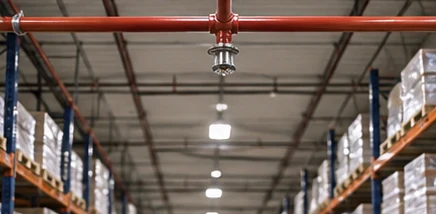
A single property schedule may include a warehouse, yard inventory, a leased CNC line, equipment moved on trailers and property temporarily held for customers. Each item can call for a different coverage form, valuation basis or deductible. Start with whose property is at risk, where it can be found and who is financially responsible under the controlling lease or agreement. Then identify separate insurance questions for covered buildings and contents, equipment breakdown, contractors equipment or transit, and income lost while operations recover.
Ask engineering and operations to identify the mechanisms likely to produce loss. Routine accidental damage to a unit can behave differently from a transformer failure, a fire involving several production lines, regional flooding or a prolonged utility interruption. Lease obligations, machine protection systems, current maintenance and recovery alternatives affect the business's exposure. A retention supported by frequent, measured equipment losses may be unsuitable for damage and interruption that arrive together.
Validate Values Using Recovery Costs and Timing
For every significant location, establish the valuation basis in the current and proposed policy. Replacement cost, actual cash value and scheduled amounts are different approaches. A machine's accounting book value can differ substantially from the cost to source, install, calibrate and commission a suitable replacement. Include freight, specialized labor, system integration and dependencies in the operational estimate. Discuss whether temporary substitutes, relocation, ordinance or law and expediting costs warrant separate coverage or limits.
Add a restoration timeline with realistic milestones. List cleanup, procurement, installation, testing, approvals and the time required to resume sales. Ask finance to evaluate realistic continuing costs, extra expenses, seasonality and the effect of work shifted to other sites. Then have the broker reconcile the estimate to insurable business income definitions, waiting periods, limits and coverage triggers. Map suppliers, customers and utilities that could interrupt operations without physical damage at the insured location. Those exposures may need separate coverage with location, distance or peril restrictions.
Stress a Realistic Multi-Location Event
Take a hypothetical manufacturer with two facilities in the same river basin. A regional flood produces $1.2 million of building and equipment loss at the first site and $500,000 at the second, plus $700,000 of time-element loss across both. The company initially models $2.4 million as economic damage. A proposed property program hypothetically pays building and equipment loss above a $250,000 event deductible, subject to a $1 million flood limit across both sites, and specifically leaves flood-related income loss outside the coverage being compared. On these assumptions, recoverable property loss is limited to $1 million and $1.4 million of the economic damage stays with the business. Confirm how actual limits, deductibles and definitions interact before using this arithmetic.
A captive-insured layer will address only exposures its own valid policy or treaty actually assumes. Decide whether the captive covers any direct property loss, or reinsures part of an insurer's defined obligation and receives no income loss premium. Determine whether the facility insurer, reinsurer or lenders require a different arrangement. The example may point to a higher commercial flood limit, a business-income solution, physical mitigation or a larger available reserve. For firms considering federal flood insurance, FEMA explains that NFIP commercial coverage does not pay for business interruption. Compare that limitation with the actual private-market terms being considered and verify any contractual flood insurance requirement separately.
Decide Where the Retention Belongs
A plant manager may want to self-fund wear-related replacement through a maintenance budget, finance selected accidental breakdown losses through insurance and retain a specified deductible. Routine wear, deterioration, maintenance and insured accidental damage need to be identified independently under the actual policy. If frequent claims are considered for captive financing, examine them by machine family, age, hours and failure cause. Verify the data can distinguish a repair bill, downtime estimate, payment under warranty and insurance claim. Remove recoveries or expected reimbursements from the loss view only on a stated, consistent basis.
Compare alternative retentions against both expected annual cost and peak stress. A per-occurrence deductible and a deductible calculated by affected location can produce different answers when one event damages multiple buildings. Some structures apply value-based deductibles or aggregate caps under defined terms. Model an ordinary year and an event with several affected locations, including expense and salvage assumptions. Ask the actuary and broker to identify how event aggregation, valuation disputes and exclusions could alter the modeled result. Provide a written reconciliation to the proposed carrier and reinsurance wording.
Ask Finance, Engineering and Operations to Sign Off Separately
Finance should confirm the budget can absorb unreimbursed downtime, deposits, collateral increases and the timing of recoveries. Engineering should confirm that schedules, protection improvements and replacement lead times reflect current operating conditions. Operations should identify who can initiate temporary production, arrange contract manufacturing or source a critical substitute within the modeled timeline. The insurance reviewer should check causes of loss, property in transit or off-premises limits, deductibles, loss payee terms and insurer acceptability with major lenders and customers.
The executive decision should record which layer the company will retain, which peril or site remains under commercial protection, where significant coverage gaps remain and the minimum cash that must remain available to operate. Assign responsibility for updating values after acquisitions, production changes and major capital replacements. Ask leadership how the plan would respond if insurance recoveries take six months while suppliers require cash at the time of replacement. That decision is often more consequential than a lower initial premium in a quoted comparison.
References
Sources reviewed November 27, 2026.
Educational information for commercial insurance discussions. Review actual policies, agreements and applicable requirements with qualified insurance, legal, tax and actuarial advisers.